Optimal Timing for Drainage System Design
Drainage system designing is most effective when performed during specific phases of construction planning and site development. The optimal timing ensures accurate assessment of site conditions, proper integration with existing infrastructure, and compliance with local regulations. Typically, designing is best undertaken during the early planning stages before major construction begins, allowing for adjustments based on detailed site analysis.
Designing drainage systems during early planning helps identify potential issues and ensures proper integration with other utilities.
Conducting assessments after initial design drafts allows for validation of drainage capacity and effectiveness based on site-specific data.
Adjustments to drainage plans can be made in real-time to accommodate evolving construction conditions and unforeseen challenges.
Timing drainage design submissions to align with local approval schedules facilitates smoother project progression.
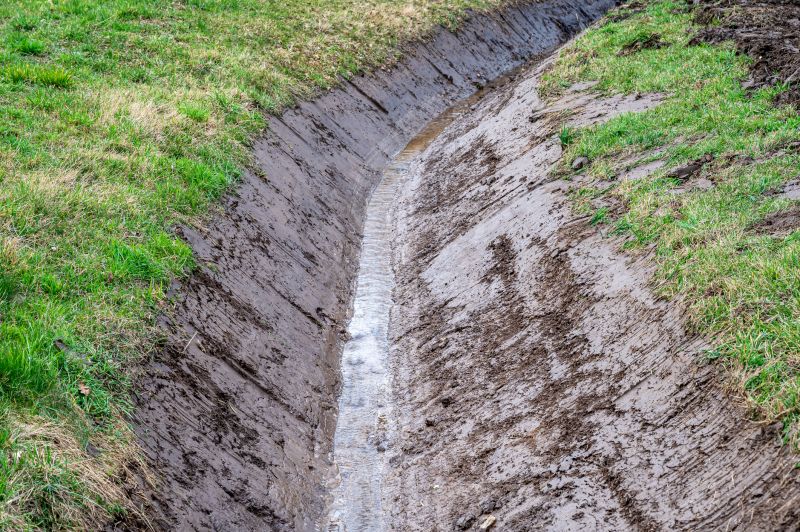
Initial site survey for drainage planning.
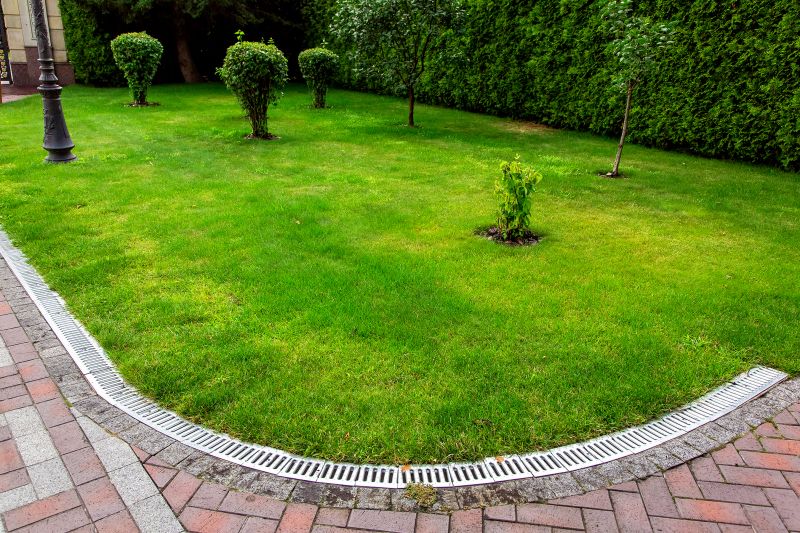
Creating preliminary drainage system layouts.
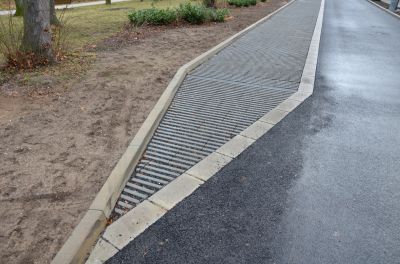
Executing detailed drainage plans on-site.
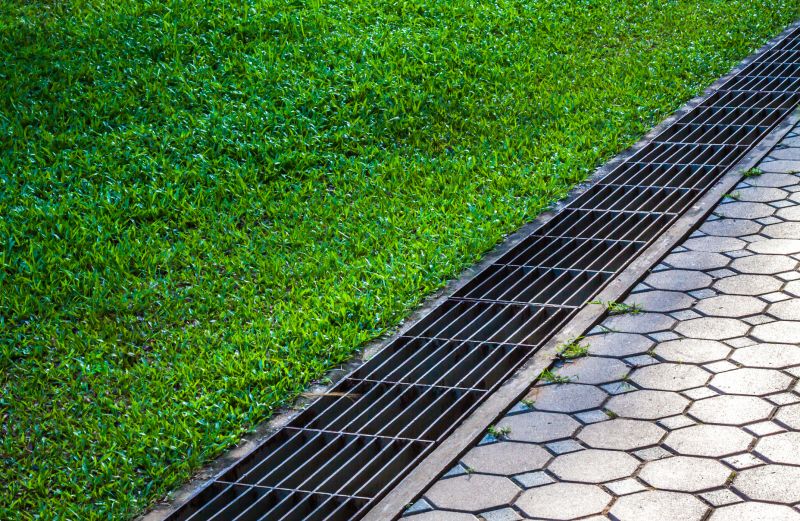
Ways to make Drainage System Designings work in tight or awkward layouts.
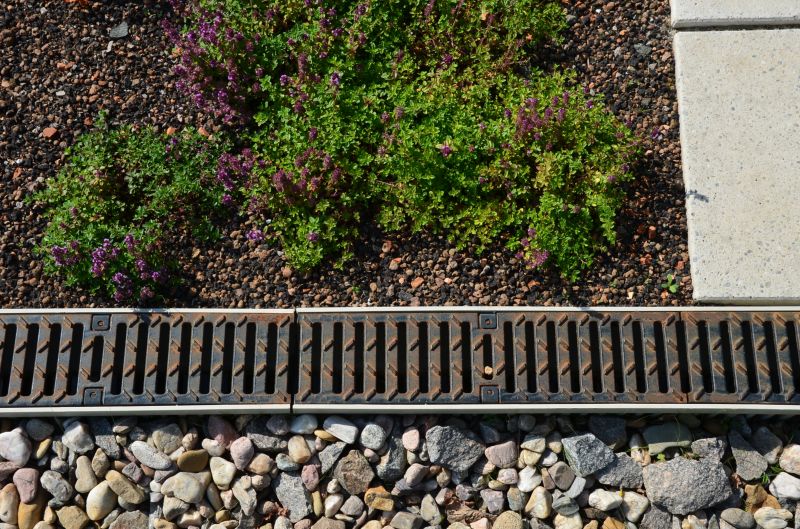
Popular materials for Drainage System Designings and why they hold up over time.
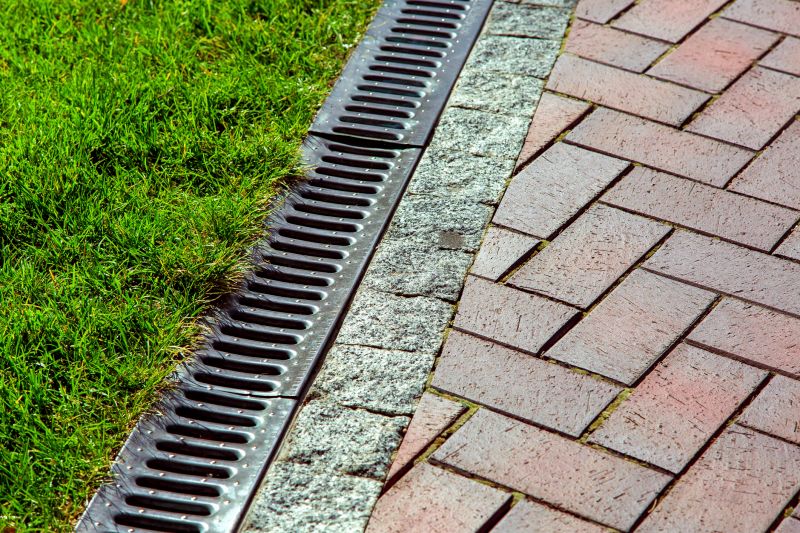
Simple add-ons that improve Drainage System Designings without blowing the budget.
| Timing Phase | Key Considerations |
|---|---|
| Pre-Construction Planning | Allows for comprehensive site analysis and utility integration. |
| Post-Design Site Assessment | Validates drainage capacity based on actual site conditions. |
| During Site Development | Enables real-time adjustments and problem-solving. |
| Regulatory Approval Periods | Ensures timely submission and approval of plans. |
| Dry Season Planning | Provides accurate runoff data and minimizes weather-related delays. |
Drainage system designing involves detailed analysis of site topography, soil characteristics, and water flow patterns. Proper timing enhances the effectiveness of drainage solutions by ensuring they are tailored to current conditions and future development needs. Accurate design reduces the risk of flooding, erosion, and water damage, contributing to the longevity and functionality of the infrastructure.
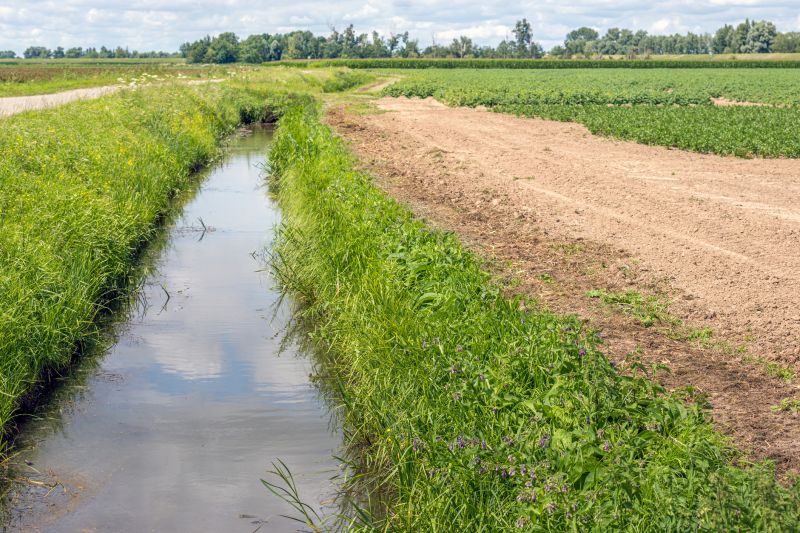
Visual representation of drainage layout.
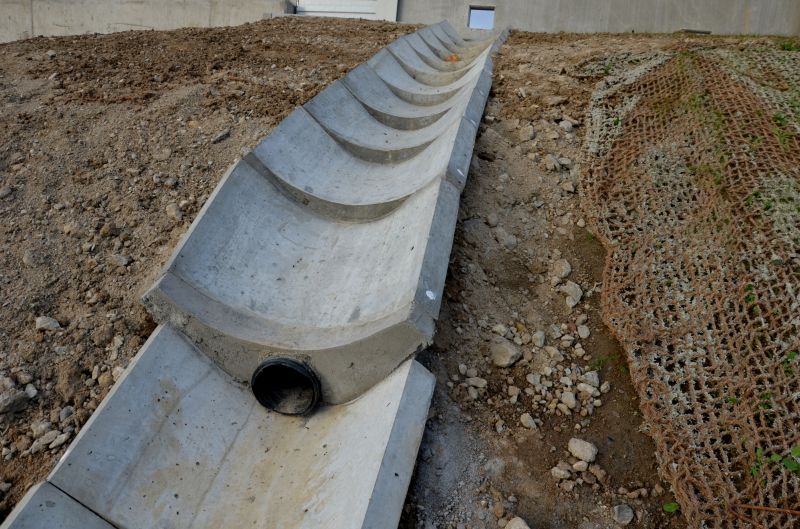
Topographical analysis for drainage planning.
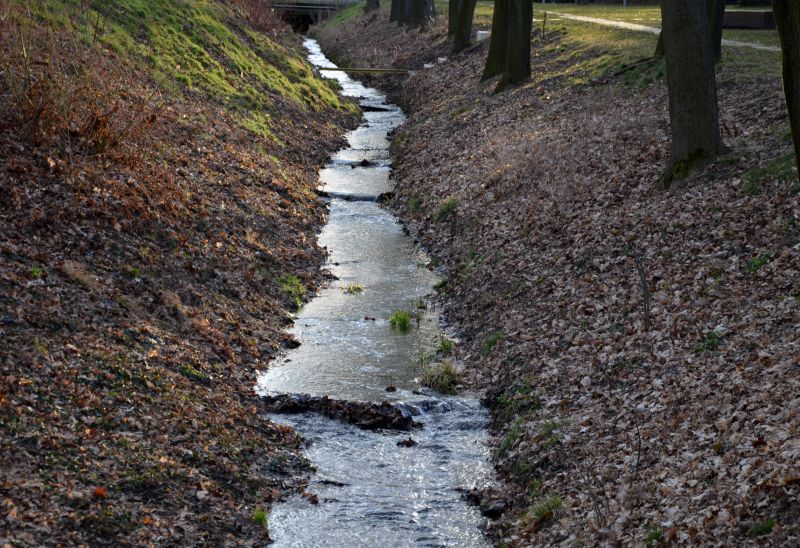
Modeling water runoff and flow patterns.
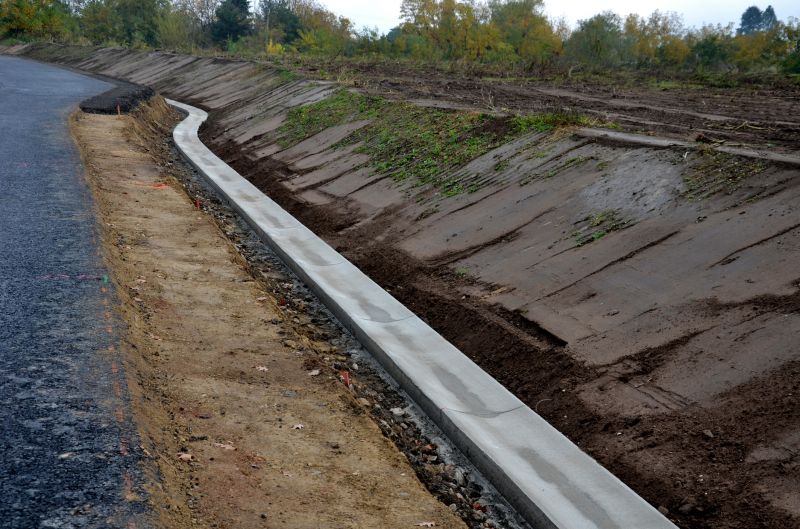
Drainage solutions during construction phases.
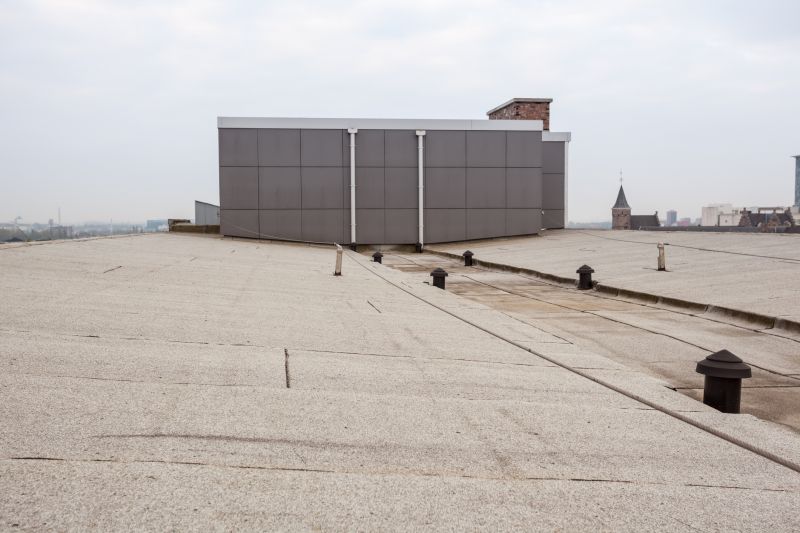
High-end options that actually feel worth it for Drainage System Designings.
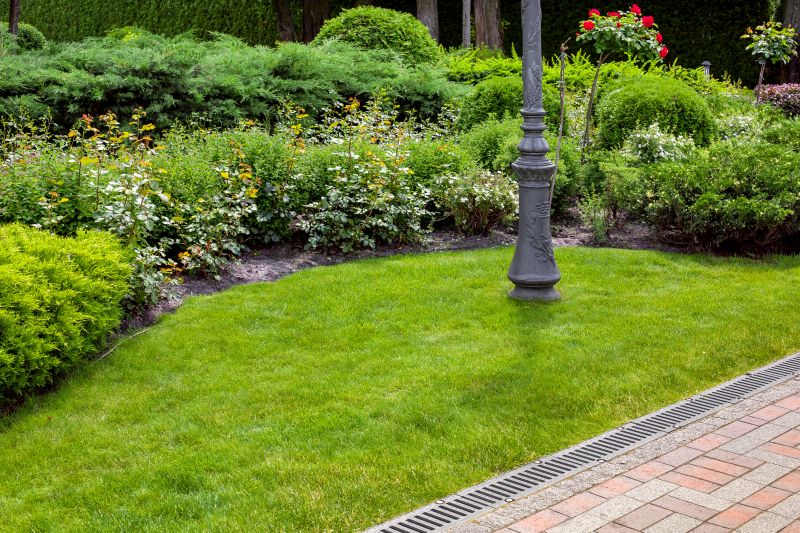
Finishes and colors that play nicely with Drainage System Designings.
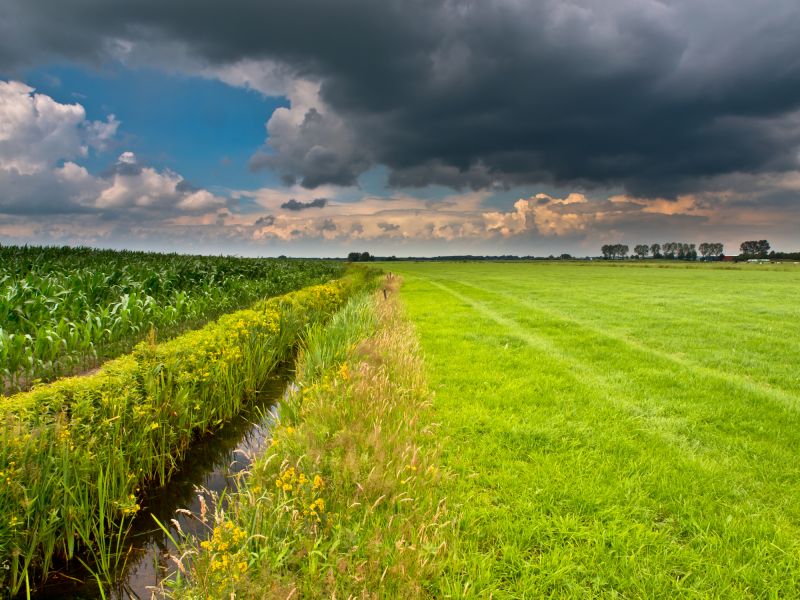
Little measurements that prevent headaches on Drainage System Designings day.
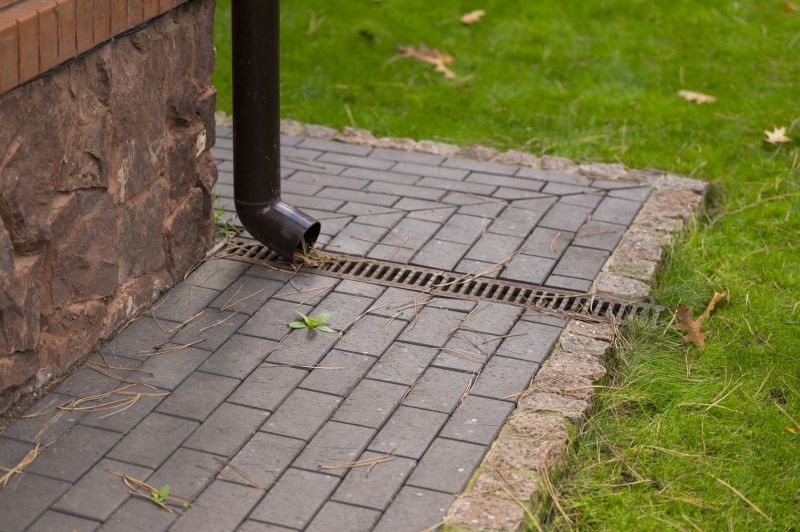
A 60-second routine that keeps Drainage System Designings looking new.
Timely drainage system designing is crucial for avoiding costly modifications during construction and ensuring compliance with environmental standards. Properly timed projects can lead to more efficient water management, reduced construction delays, and improved safety for future site users.

Overview of key drainage elements.
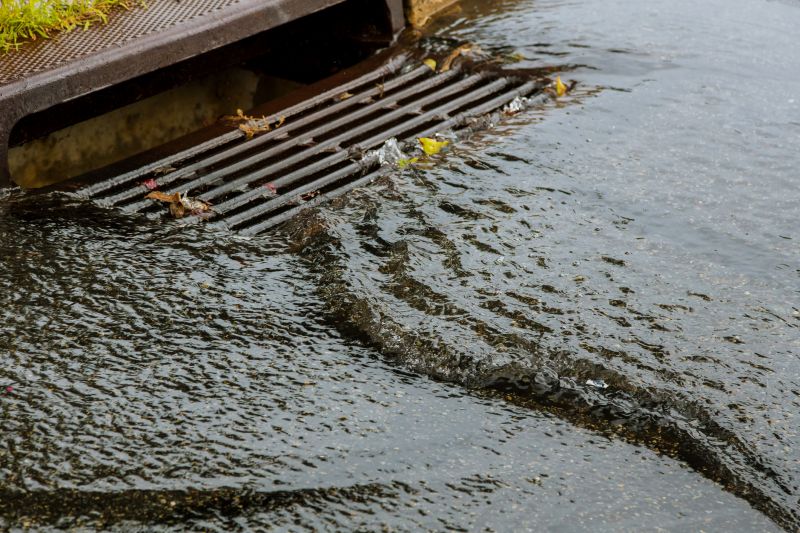
Effective stormwater runoff solutions.
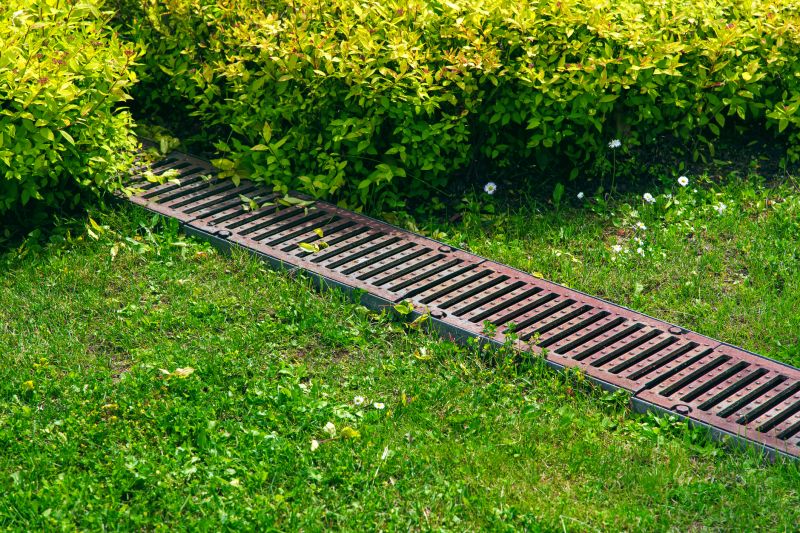
Preventing erosion through drainage design.
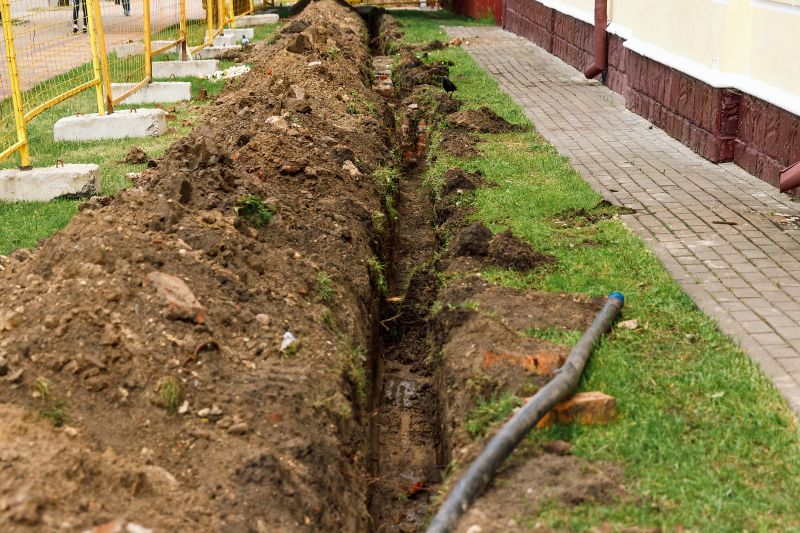
A frequent mistake in Drainage System Designings and how to dodge it.
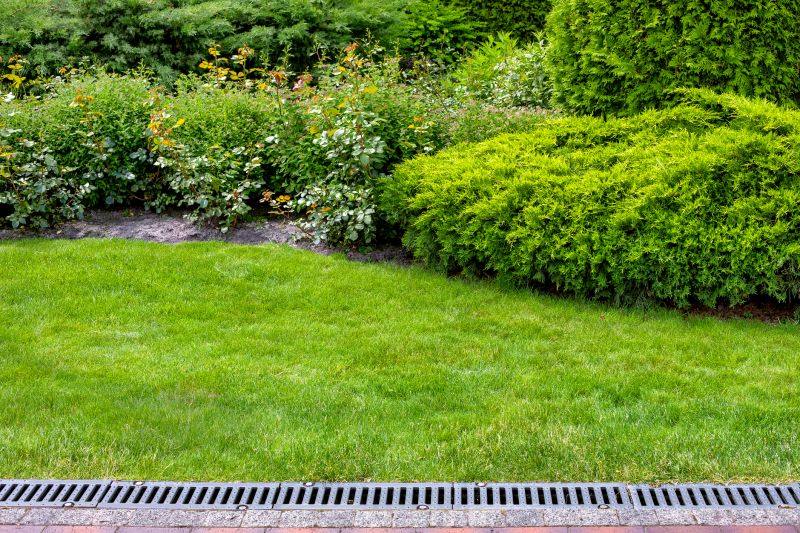
Small tweaks to make Drainage System Designings safer and easier to use.
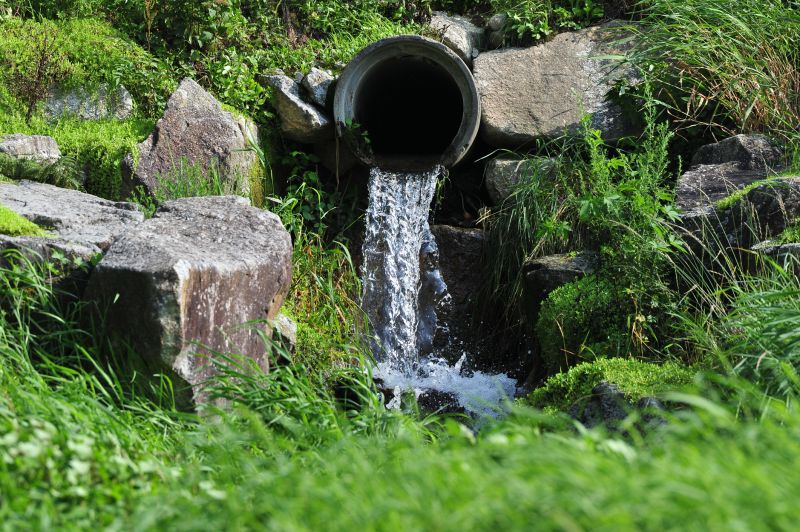
Lower-waste or water-saving choices for Drainage System Designings.
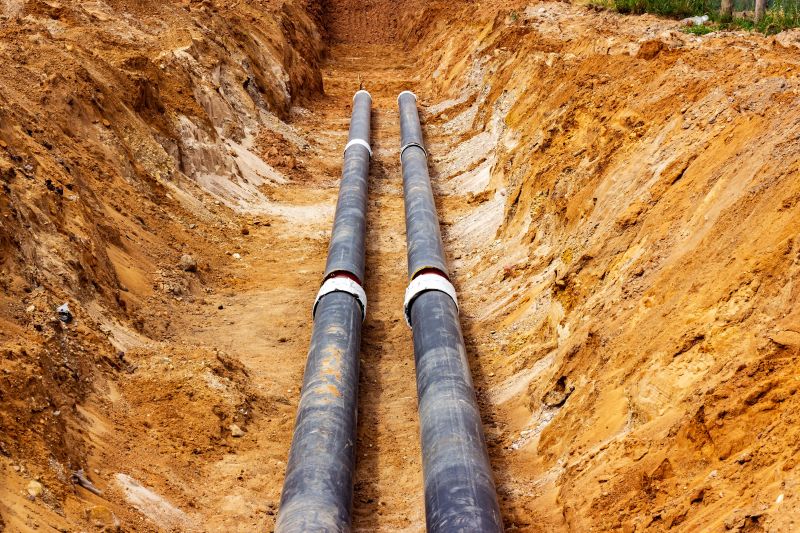
The short, realistic tool list for quality Drainage System Designings.
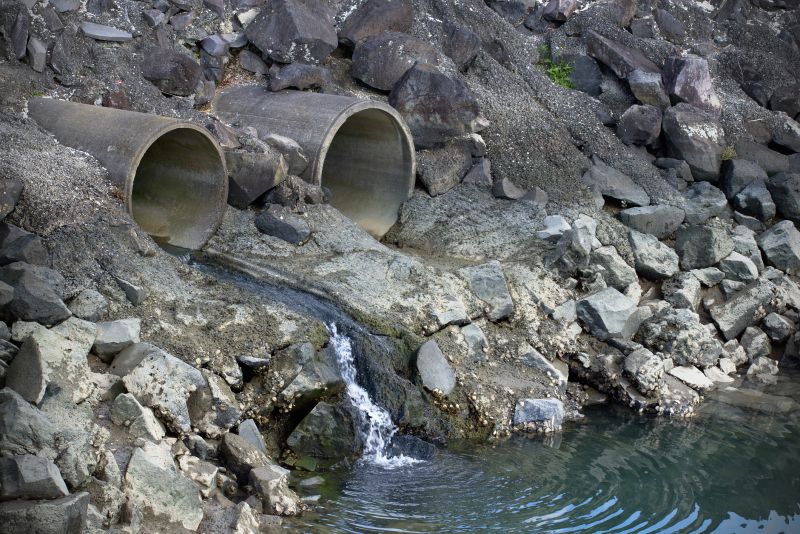
Rough timing from prep to clean-up for Drainage System Designings.
Interested parties are encouraged to contact for detailed drainage system designing services. Proper timing and planning are essential for achieving optimal results in water management infrastructure.